في مجال الاتصالات عبر الألياف الضوئية،
أسلاك توصيل الألياف الضوئية
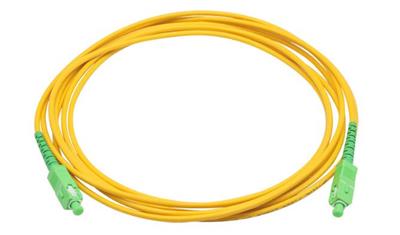
تُشبه هذه الكابلات "كابلات بيانات متخصصة" تربط أجهزة الاتصالات الضوئية. ومن بينها، تتميز كابلات التوصيل الضوئية SC/APC بأداء ممتاز في فقدان الإشارة العائدة واستقرار عالٍ للنظام، مما يجعلها لا غنى عنها في سيناريوهات النقل الضوئي الحساسة للضوء المنعكس، مثل شبكات تلفزيون الكابل (CATV) والشبكات الضوئية السلبية (PON).
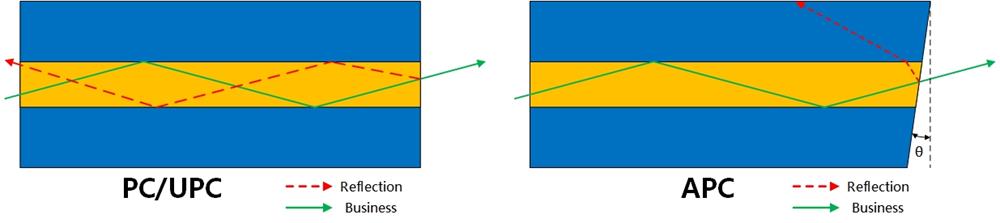
أثناء نقل البيانات عبر الألياف الضوئية، عندما تصل الإشارة الضوئية إلى طرف الموصل، حتى مع وجود اتصال محكم، ينعكس جزء ضئيل من الضوء. يختلط هذا الضوء المنعكس مع الإشارة الأصلية، مما يؤدي إلى تشويه الإشارة، وانخفاض استقرارها، بل وحتى تلف جهاز الإرسال الضوئي.
(الفرق في الضوء المنعكس بين PC/UPC و APC)
حالياً، التيار السائد هو
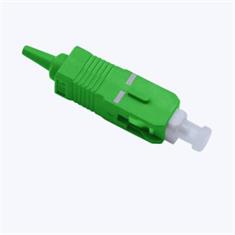
كابل توصيل ألياف بصرية بزاوية 8 درجات من نوع SC/APC
مبدأ عمله ووظيفته الأساسية مماثلة لتلك الخاصة بكابل الألياف الضوئية SC/APC ذي الزاوية 9 درجات. مع ذلك، قد يصل فقدان الإشارة المنعكسة في كابل الألياف الضوئية SC/APC ذي الزاوية 9 درجات إلى أكثر من -65 ديسيبل، مما يعني أن الضوء المنعكس يضعف إلى مستوى يكاد يكون معدومًا. يُستخدم هذا الكابل تحديدًا في أنظمة الألياف الضوئية التي تتطلب انعكاسًا منخفضًا للغاية واستقرارًا عاليًا للإشارة.
(يشار إلى SC/APC بزاوية 8 درجات فيما يلي باسم SC/APC8؛ ويشار إلى SC/APC بزاوية 9 درجات فيما يلي باسم SC/APC9؛)
ثانيًا: الاختلافات بين كابلات توصيل الألياف الضوئية SC/APC8 و SC/APC9
ملاحظة: من حيث المبدأ، لا يمكن استخدام أسلاك توصيل الألياف الضوئية SC/APC8 وSC/APC9 بشكل متوافق للأسباب التالية:
-
ضعف الاتصال المادي:
تمنع الزوايا غير المتطابقة المحاذاة الدقيقة لنوى الألياف للموصلين، مما يؤدي إلى زيادة حادة في الفقد (والذي قد يرتفع من 0.2 ديسيبل إلى أكثر من 1 ديسيبل).
-
خطر تلف السطح النهائي:
يؤدي التزاوج بزوايا غير متطابقة إلى ضغط تلامس غير متساوٍ على السطح النهائي للحلقة الخزفية، مما ينتج عنه خدوش وتلف دائم للسطح النهائي الخزفي.
-
تدهور الأداء:
حتى الاتصال قصير المدى سيؤدي إلى انخفاض كبير في فقدان العودة، مما يؤدي إلى عدم تلبية متطلبات أداء النظام
ثالثًا: الخصائص التقنية وسيناريوهات التطبيق
تتميز أسلاك التوصيل الضوئية SC/APC8 و SC/APC9 بخصائص فقدان العودة الشديد، والقدرة القوية على مقاومة التداخل، والأداء المستقر، مما يجعلها لا غنى عنها في المجالات ذات المتطلبات العالية لاستقرار الإشارة:
1. الاتصال بالمعدات التقليدية على الطراز الياباني
عند توصيل الأجهزة في المناطق التي يُعد فيها معيار SC/APC9 هو المعيار، مثل أجهزة الإرسال الضوئي التقليدية وأجهزة شبكات الوصول المحلية (بما في ذلك أجهزة OLT ومكررات الإشارة الضوئية) من شركات مصنعة مثل NTT اليابانية، قد تكون المنتجات الأصلية قد استخدمت نفس نوع الواجهة. في هذه الحالة، يجب اختيار كابلات توصيل الألياف الضوئية SC/APC9 لتتوافق مع مواصفات واجهة الجهاز ولضمان نقل الإشارة بشكل سليم.
2. شبكات الوصول إلى الألياف الضوئية FTTx
سواءً كان الأمر يتعلق بتوصيل الألياف إلى المبنى (FTTB) أو توصيل الألياف إلى المنزل (FTTH)، تُستخدم كابلات توصيل الألياف الضوئية SC/APC على نطاق واسع لتوصيل محطة الخط الضوئي (OLT) في غرف حاسوب المشغل ووحدة الشبكة الضوئية/المودم الضوئي (ONU) لدى المستخدم، وذلك بفضل انخفاض انعكاسها وسهولة توصيلها وتشغيلها. على سبيل المثال، تُعد كابلات توصيل الألياف الضوئية SC/APC8 معيارًا في مشاريع الوصول إلى النطاق العريض، حيث تمنع الضوء المنعكس من التأثير على استقرار تحميل وتنزيل إشارة النطاق العريض، وتدعم نقل البيانات عبر الشبكة بسرعات عالية تصل إلى 1000 ميجابت في الثانية وما فوق.
3. أنظمة البث الإذاعي والتلفزيوني (CATV) وأنظمة نقل الإشارات التناظرية
في غرف الحواسيب الأمامية لاستقبال إشارات التلفزيون الكبلي (CATV) والتلفزيون الفضائي، تُستخدم كابلات التوصيل الضوئية SC/APC لتوصيل أجهزة إرسال الإشارة، ومقسمات الإشارة الضوئية، ومضخمات الإشارة. ونظرًا لحساسية الإشارات التناظرية الشديدة لتداخل الانعكاس، فإن خاصية انخفاض فقدان الإشارة في كابلات APC تُسهم بفعالية في تجنب ظهور التشويش والظلال في الصورة. فعلى سبيل المثال، في شبكة النقل الرئيسية لإذاعة وتلفزيون الصين، حلت كابلات التوصيل الضوئية SC/APC8 محل كابلات التوصيل الضوئية التقليدية لأجهزة الكمبيوتر الشخصية، مما يضمن بثًا مستقرًا لقنوات 4K عالية الوضوح.
4. اختبار وتشغيل وصيانة الألياف الضوئية عالية الدقة
في اختبارات فقدان وصلات الألياف الضوئية باستخدام جهاز قياس الانعكاس الزمني البصري (OTDR)، والتحقق من الفقد بعد دمج الألياف الضوئية، وتشخيص أعطال وصلات الاتصالات، تُعدّ أسلاك التوصيل الضوئية SC/APC (بزاوية 8 أو 9 درجات، حسب توافق الجهاز) أدوات أساسية. فعلى سبيل المثال، عند اختبار وصلات الألياف الضوئية، يُمكن استخدام أسلاك التوصيل الضوئية SC/APC8 لتجنب تداخل إشارات الاختبار مع الضوء المنعكس، وتحديد نقاط انقطاع الكابلات الضوئية ونقاط الفقد غير الطبيعي بدقة، وتحسين كفاءة التشغيل والصيانة.
5. التحكم الصناعي والاتصالات الخاصة
-
السيناريوهات الصناعية:
في أنظمة استشعار الألياف الضوئية (مثل مستشعرات درجة الحرارة والضغط) في صناعات البترول والطاقة، تُستخدم أسلاك توصيل الألياف الضوئية SC/APC لتوصيل المستشعرات ووحدات التحكم. يمكن لخاصية الانعكاس المنخفض تجنب سوء تقدير الإشارة الناتج عن التداخل البيئي. على سبيل المثال، يحقق نظام مراقبة درجة حرارة خطوط أنابيب النفط في حقول النفط مراقبة دقيقة تصل إلى ±0.1 درجة مئوية من خلال أسلاك توصيل الألياف الضوئية SC/APC
-
اتصال خاص:
في روابط الاتصالات البصرية قصيرة المدى في المجالات العسكرية والفضائية،
أسلاك توصيل الألياف الضوئية SC/APC
تُستخدم لنقل الإشارات بين المعدات نظرًا لمقاومتها للاهتزاز وخصائص الاتصال المستقرة، والتي يمكنها تحمل درجات الحرارة القصوى (-40 درجة مئوية ~ 85 درجة مئوية) والصدمات الميكانيكية.
رابعًا. ملخص
تشترك أسلاك التوصيل الضوئية SC/APC8 وSC/APC9 في نفس المبدأ الأساسي، حيث تحقق أداءً ممتازًا في فقدان الإشارة العائدة وقدرة قوية على مقاومة التداخل من خلال تقنية APC الزاوية، وهي مناسبة للسيناريوهات التي تتطلب استقرارًا عاليًا للإشارة. تكمن الاختلافات الأساسية بينهما في الزاوية والتكيف الإقليمي: SC/APC8 هو السائد عالميًا، ومتوافق مع المعدات في معظم المناطق؛ SC/APC9 مخصص للمعدات في سيناريوهات محددة. تجدر الإشارة إلى أنه يُحظر التشغيل البيني بين الاثنين. يمكن أن يضمن الاستخدام القياسي التشغيل الفعال والمستقر لنظام النقل الضوئي